Reviewing Rose Font Y: A Designer’s Take on This Creative Fabrica Embroidery Font
First Impressions of Rose Font Y
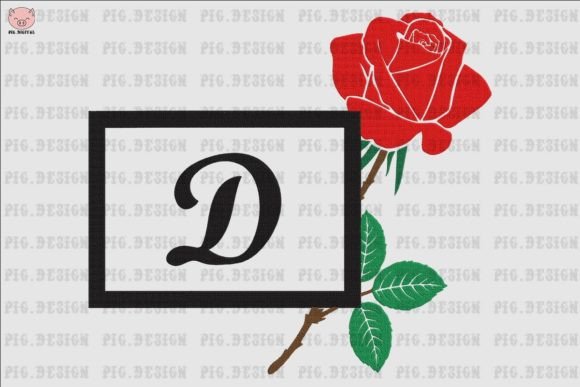
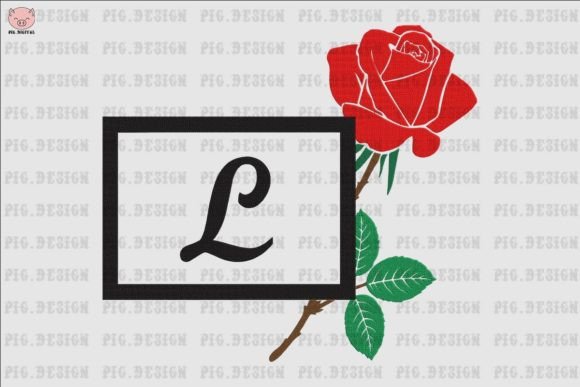
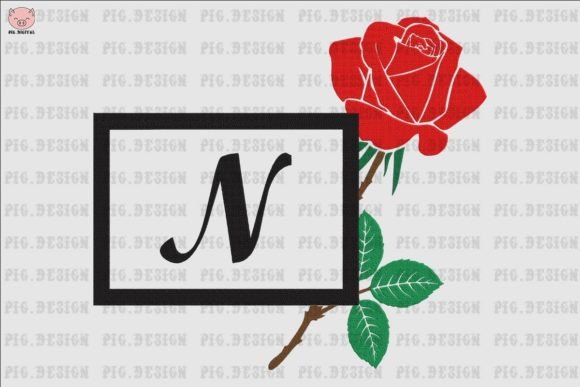
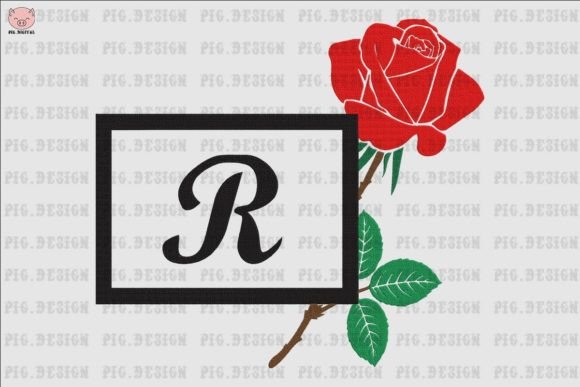
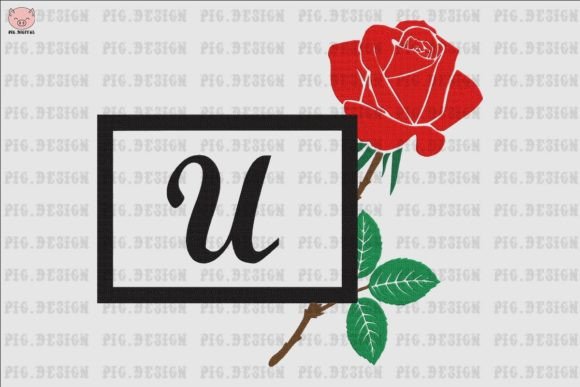
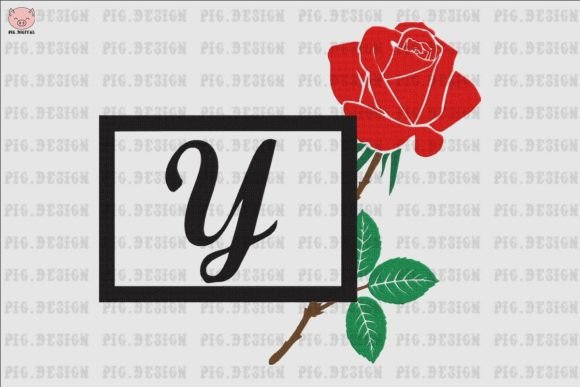
As an embroidery designer who frequently creates custom items for Etsy sellers and small businesses, I was drawn to Rose Font Y for its delicate yet confident appearance. It has a soft, flowing aesthetic that still maintains readability, which is crucial for machine embroidery designs. The font features subtle rose embellishments on each letter, giving it a decorative flair without being overly ornate. This makes it ideal for projects that need a touch of elegance—think baby blankets, personalized tote bags, or boutique-style apparel.
Design Personality and Decorative Appeal
Rose Font Y feels like a cross between a script and a block font, with enough detail to stand out but not so much that it becomes difficult to stitch. The rose accents are stitched with a combination of satin and fill stitches, giving the design dimension without being too dense. This is a big plus for those who work with textured or stretchy fabrics, as overly dense stitching can cause distortion or puckering.
From a visual standpoint, this font would be perfect for Back To School themed items like embroidered lunch bags, aprons, or caps. It also lends itself well to seasonal handmade gifts, especially when paired with floral motifs or soft color palettes.
Performance on Different Embroidery Projects
I tested Rose Font Y across several real-world embroidery applications: a cotton tote bag, a terrycloth kitchen towel, a stretchy cotton-blend sweatshirt, and a curved cap surface. Each presented different challenges, but the font held up well overall.
- Custom Apparel: On a lightweight hoodie, the font stitched cleanly with minimal thread breaks. The rose embellishments added a nice visual pop without overwhelming the garment.
- Tote Bags & Aprons: These heavier fabrics handled the stitch density well. I used a medium-weight stabilizer and saw no distortion around the letters.
- Kitchen Towels & Baby Blankets: The satin-stitched elements held up nicely on the textured terry fabric. I did notice one small snag on the baby blanket due to a tight corner, but nothing a quick test on scrap fabric wouldn’t have caught.
- Caps & Curved Surfaces: Here, I found it important to reduce the hoop size and use a cap frame. The font scaled down well, though the rose accents became slightly less defined at smaller sizes.
Small Hoop Sizes and Tiny Lettering Considerations
If you're working with small hoop sizes, Rose Font Y can still be viable, but you'll want to be cautious with letter size. The rose embellishments are delicate, and below 0.5 inches, they start to lose clarity. For items like baby caps or embroidered patches, consider using this font for initials only or opt for a simpler font for longer text.
Also, when working with tiny lettering, always check the stitch count and thread color contrast. Dark threads on light fabric tend to highlight any minor imperfections, so a test run is highly recommended.
Stitch Density and Fabric Compatibility
Rose Font Y has a moderate stitch density, which makes it suitable for a wide range of fabrics. I found it stitched beautifully on cotton and linen without any puckering. However, on stretchy knits, I noticed slight pulling around the rose accents. Using a lightweight tear-away stabilizer helped maintain the integrity of the design.
For dark fabrics, I recommend checking the contrast with your thread colors. A light pink or ivory thread can make the roses pop, while black or navy thread tends to blend them into the background.
Impact on Product Value and Presentation
One of the biggest advantages of using Rose Font Y is its ability to elevate the perceived value of a handmade product. Whether you're selling on Etsy or at a local craft fair, this font adds a touch of sophistication that appeals to buyers looking for personalized gifts or boutique-style items.
From a branding perspective, the font’s consistent letter spacing and clean lines help maintain a professional look across multiple product types. This is especially important for small business owners who want to build a cohesive brand identity through their embroidered items.
Photography and Customer Engagement
In product photography, fonts like Rose Font Y really shine. The floral accents catch the light beautifully and add visual interest to mockups. When used on printable mockups for digital product listings, this font helps create a cohesive and attractive visual story that draws in potential buyers.
For social media or product descriptions, I’ve found that customers respond positively to the font’s romantic, handcrafted feel. It reads as “personalized” without being too flashy—perfect for gift items or nursery decor.
Practical Embroidery Notes and Recommendations
Before using Rose Font Y in a commercial embroidery project or for a customer order, here are a few practical tips based on my experience:
- Test on scrap fabric first, especially if you’re using stretchy or textured materials.
- Check thread color contrast on both light and dark fabrics to ensure the rose details remain visible.
- Review stitch density and adjust if necessary for your specific machine and fabric type.
- Confirm hoop size compatibility before stitching on curved surfaces like caps.
- Use the appropriate stabilizer—medium-weight tear-away works best for most applications.
- Inspect small details after stitching, especially the rose accents, to ensure they’re clean and intact.
- Confirm file details and licensing directly on the Creative Fabrica product page before selling any finished items.
Final Thoughts: Is Rose Font Y Worth It?
Overall, I’d say Rose Font Y is a versatile and attractive embroidery font that’s well-suited for a variety of handmade and commercial embroidery projects. Its balance of style and readability makes it a strong choice for personalized gifts, custom apparel, and boutique merchandise.
If you're a creative entrepreneur or Etsy seller looking to add a touch of floral elegance to your embroidered products, this font is definitely worth considering. Just be mindful of the small lettering limitations and always test before stitching on your final fabric.